Redo / Week 2 - Paul's Second Chance / Tom Allen

Finding Your Fresh Start: Lessons from Paul's Second Chance


The start of a new year brings with it a sense of possibility—a chance to turn over a new leaf and begin again. This feeling isn't just psychological; it's deeply spiritual. God desires that nothing from our past should hold us back from the joy and freedom He wants us to experience. Through the life of the Apostle Paul, we discover powerful truths about second chances and fresh starts that God offers each of us.

What Does It Mean to Have Your Eternal Destiny Settled?

Paul's transformation began with a crucial realization: his eternal destiny wasn't actually settled, despite being incredibly religious. Before his encounter with Christ, Paul was the epitome of religious devotion, yet he was trusting in all the wrong things for salvation.


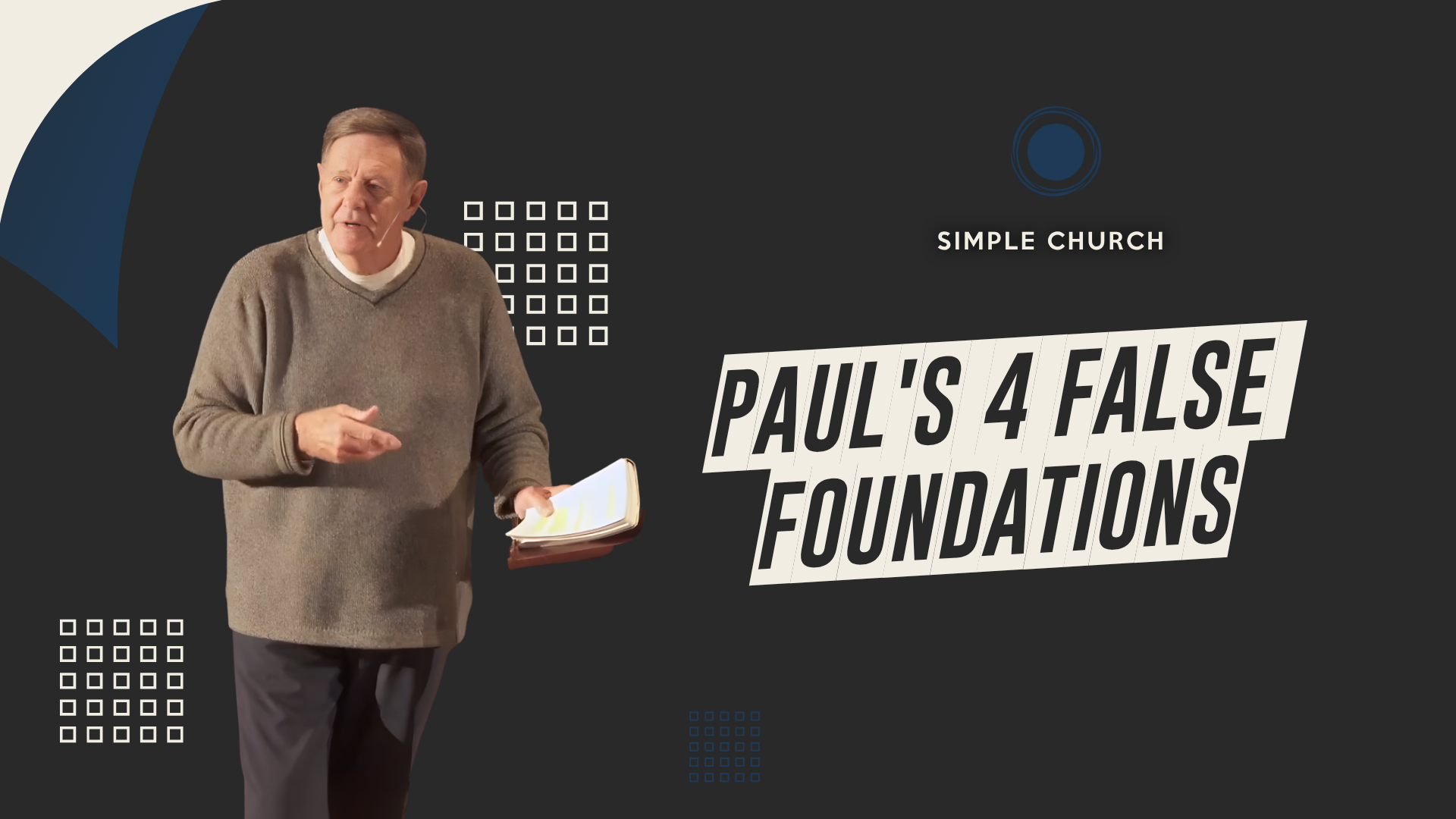
The False Foundations Paul Relied On


Paul had built his hope of salvation on four shaky foundations that many people still rely on today:

  • Religious Heritage: Paul boasted of being circumcised on the eighth day, a pure-blooded citizen of Israel from the tribe of Benjamin. But being born into a Christian family no more makes you a Christian than being born in a garage makes you a car. Salvation is a personal decision between you and God.
  • Religious Affiliation: As a Pharisee, Paul belonged to the strictest religious sect. Yet denominational membership—whether Catholic, Lutheran, Baptist, or any other—cannot secure your place in heaven.
  • Sincerity: Paul was so zealous for his beliefs that he persecuted Christians, thinking this pleased God. But you can be very sincere and still be sincerely wrong.
  • Personal Righteousness: Paul claimed to obey the law without fault. However, God isn't impressed by our righteousness. Isaiah 64:6 tells us that all our righteous deeds are like filthy rags before God.


The Only Foundation That Matters


Paul discovered that salvation comes only through faith in Jesus Christ. In Philippians 3:7-9, he explains how everything he once considered valuable became worthless compared to knowing Christ. He no longer counted on his own righteousness but became righteous through faith in Christ alone.

When we trust in Christ as our Savior, something remarkable happens: we receive His perfect righteousness in exchange for our sinfulness. As 2 Corinthians 5:21 states, "God made Christ, who never sinned, to be the offering for our sin so that we could be made right with God through Christ."

What Should Be Our Life Goal After Salvation?

Once Paul's eternal destiny was settled, he had a completely new life goal. Instead of hating Christ, he wanted to know Christ. His motivation shifted from religious duty to intimate relationship.


Knowing Christ in Three Ways


Paul expressed his desire to know Christ in three specific ways:

  • Personally: True Christianity isn't about attending church on Sunday morning or following religious rules. It's about knowing God intimately, having a personal relationship with Him as Father.
  • Powerfully: Paul wanted to experience "the mighty power that raised him from the dead." The Holy Spirit living in believers is Christ's representative in our lives, carrying all the power of heaven and earth. We often limit this power because we don't realize what we have inside us.
  • Painfully: Paul was willing to "suffer with him, sharing in his death." Comfortable Christianity that avoids all sacrifice isn't the full Christian experience. Sometimes we truly get to know someone only when we go through difficult times together.

How Do We Put Our Past Behind Us?

Paul understood that to experience his fresh start fully, he had to put his past behind him. The word "past" means it's gone—no longer there. In Philippians 3:13, Paul declares his strategy: "Forgetting the past and looking forward to what lies ahead."


Paul could have wallowed in shame and guilt over his persecution of Christians. Instead, he chose to focus on one thing: moving forward. He recognized that dwelling on past failures would defeat him and prevent him from experiencing God's plan for his future.


Living in God's Forgiveness


When we realize the fullness of God's forgiveness and experience His daily presence, we can embrace this truth: if you have God's righteousness, you are as sinless as God himself. We may see our failures and faults, but God sees us in Christ. When God looks at a believer, He sees His Son—righteous, forgiven, clean, and part of the family.


The key is to live in God's forgiveness rather than in the memory of past mistakes. Paul encourages us to forget how we've blown it in the past and reach forward to the victory God wants us to have in the future.

How Do We Persevere in Our Faith Journey?

Paul's final lesson focuses on perseverance. In Philippians 3:14, he writes, "I press on to reach the end of the race and receive the heavenly prize for which God, through Christ Jesus, is calling us."


The Greek word for "press on" means to follow after, pursue, and have the fortitude to keep going until the race is finished. Paul lived each day as a new opportunity to move forward, regardless of what life might throw at him.


The Commitment to Not Quit


Paul's attitude was clear: no matter what life, other people, or hell itself might try to throw at him, he would keep his focus on the finish line. He would maintain his intimate relationship with the Father and press on until he reached the mark and won the race.


This same commitment is available to us. No matter what challenges 2026 might bring, we can choose to press on through the power of the Holy Spirit and the promises of God's word.

Life Application

This week, commit to living with Paul's perspective on second chances. Evaluate your life with these four questions:

  • Have I given up religion for a relationship with Christ?
  • Have I put my past sins and failures behind me, looking ahead to serve Christ wholeheartedly?
  • Am I pressing on toward the finish line without quitting?
  • When I fail, will I get up and continue in the race by God's grace?


If you fail this year—and we all likely will—remember that repentance means admitting wrong choices and turning toward God's way. Christ offers fresh starts, third chances, fourth chances, and more. This isn't an excuse to sin but freedom to experience His forgiveness and righteousness fully.


Questions for Reflection:

  • What false foundations might you be relying on for your relationship with God?
  • How can you shift from religious duty to intimate relationship with Christ this year?
  • What past failures do you need to leave behind to move forward in God's plan?
  • In what areas of your life do you need to "press on" rather than give up?

Let's be social.